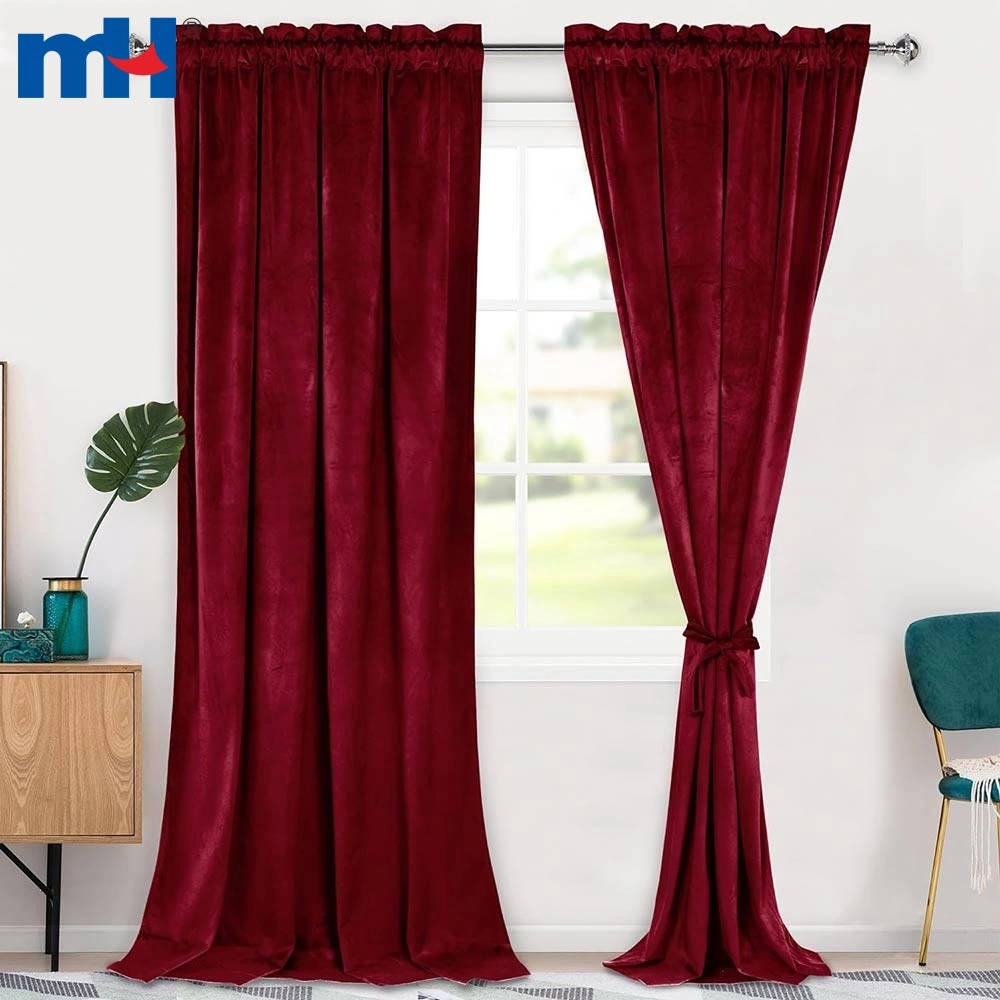
20 Top Ideas for Choosing Curtain Fabric in Lichfield, Walsall and Birmingham
Wiki Article
Explore The Fabric Stores That Are Not As You Would Imagine In Lichfield.
The reputation of Lichfield's fabric shops is often masked or by the huge market of Birmingham or Walsall's unpretentious offering. Lichfield however, has numerous specialist fabric stores. These are often unanticipated and are based on the idea that curated exploration is more valuable than mass supplies. The boundaries between dress fabric, drapery and home decor are blurred in the Aladdin caves. They are a unique option for the discerning dressmaker, home-sewer, or interior designer. This guide goes beyond the obvious categories of shopping and reveals the ten main reasons why Lichfield's fabric market is worth a pilgrimage. It explores how boutiques and specialists provide a creative, alternative way of shopping.
The 10 Most Important Things You Need to Learn
1. Designer dress fabrics can be transformed into striking curtains with the "End-of-Bolt Alchemy".
The boutiques in Lichfield's smaller stores are typically the first to purchase limited-runs of high-end designer dresses fabrics, including silks, fine yarns, and stunning Jacquards. If only 3-5 meters remain on the bolt, it is no longer commercially viable for designers and is ideal for a stunning window treatment. There is a possibility of finding a bridal-wear silk dupion that has the body and shine needed to make stunning, luminous curtains for a large bay window. The shops are actively promoting the remnants, which are a gallery-like fabric, for soft furnishings.
2. The Haberdashery As Curtain Workshop: Trimmings that transform the ordinary.
Lichfield’s secret weapon is the exceptional merchandise they sell in their haberdasheries. While they sell dress fabrics by the yard, their unbeatable strength is in the trimmings. In this case, a basic linen cloth purchased from an inexpensive Birmingham market can be transformed into custom made curtains. The store has a large assortment of accessories, such as intricate braids that are reminiscent of antique styles fringes, tassels with intricate tassels and curtain tapes that can be used for creating custom headings. The staff is dressedmaker-like with focus on detail and can help you decide how a contrasting silk band, a piped ribbon or other elements can be incorporated to create an individual frame to simple drapery.
3. The Vintage & Linen Specialist Fabrics are a part of long history.
Lichfield's hidden experts offer antique fabrics, deadstocks, and European home linens. You will find fabrics with some personality and historical significance here. A heavyweight, antiqued French linen sheet, designed for beds and can be made into curtains with a relaxed, Provencal elegance no new fabric can match. These shops recognize the storytelling importance of fabric. They offer guidance on how to repair gently, launder sympathetically and work around imperfections in the old cloth.
4. The Dressmaker’s Eye for Drape. A better understanding of Fluid Motion.
Shop assistants at Lichfield boutiques often are trained in formal dressmaking or textile education. Their understanding of how fabrics move--its "drape" as well as its "hand"--is thus superior to that of a typical furnishing salesperson. If you're looking for curtains with an elongated soft fold instead of a formal, rigid fold, the salesperson will direct you to the suiting wools or heavy rayons in the section of dress fabrics. They'll explain how the diagonal grain of the fabric is used to create the illusion of falling. This technique is derived from haute couture.
5. The "Sample Library Model": A low-pressure exploration of options that are high-end
Contrary to the overwhelming feeling of an enormous store Lichfield's stores have an expertly curated sample system. You can browse neatly organized books of large swatches of international mills, typically with upholstery weight and heavier dresses. You place an order for a length of fabric that has been cut to the desired size from the mill and delivered in a matter of days. This allows you to view a wider range and quality of textiles that any shop could offer.
6. The Bridge Between Birmingham's Bulk and Walsall's practicality.
Lichfield is a key middle ground. Birmingham offers a larger variety, however Walsall offers more specialised and high-quality choices. It's the perfect "second" destination on your fabric hunt. It's the perfect "second stop" when you are on a hunt for fabrics. You may source your upholstery fabric at the Birmingham counter for fabric, and your linings and basic cottons in a Walsall discount store. However, you could visit Lichfield to locate the perfect, distinguishing trim, the distinctive fabric for lining (like an old-fashioned flower for a curtain reverse) or the unique thread, and so on. It completes the project with unique details.
7. The Bespoke Service for "Unmakeable" Windows.
They are able to tackle specific problems because of their size and emphasis on the service. They are the best choice for windows that have unusual shapes or sizes. The designers of their recommendations are able to work on such a detailed scale, which is almost sartorial. They treat each window as if it were a unique garment.
8. The Focus on Natural Fibres and weaves that are made by artisans.
While Lichfield's independent stores promote natural fibres, chains are controlled by polyester. This is crucial for environmental quality. There are many choices, including pure linens for their hygroscopic qualities that make them suitable in the bedroom, Belgian Cottons, English Wools and Raw Silks. These fabric age gracefully and create distinct wrinkles as they age. For curtains, it means the fabric is alive and breathes. It responds to light and air in different ways each day.
9. The Wisdom of Fabric "Afterlife". Care and cleaning, as well as ageing.
The duty to care is included in the sale of fine fabric by the millimeter. The staff will explain in detail the ways in which a natural color can change under sunlight (which is viewed as a patina and not a fade) as well as how to steam iron pure line curtains or why it is best not to dry-clean certain wool. This long-term outlook makes the purchase more than a transaction. They often interact with restoration and dry cleaning companies, forming a support system for your garment over its entire lifetime.
10. The Creative Catalyst.
The end result is that exploring Lichfield's unique fabric shops is a creative action. This makes you think beyond the standard curtain sections. It suggests that the thick wool tweed for coats is perfect to upholster the seat. It shows that the sari's border silk sari can be used to make the valance of a blind. It ties dressmaking's precise finishing and appreciation for texture with interiors. You'll not leave Lichfield with a mere bag of fabric. You'll leave with a completely new outlook on what fabric can do for your home. It's fueled by the multi-disciplinary, well-curated design and ethos of the Lichfield textile havens. View the top fabric shops for blog recommendations including curtain shop, curtain store, curtain shop, curtains made to measure, custom blinds, blinds with fabric, household curtains, window blinds with fabric, valance curtains, curtain store and more.

Decoded: Calculating The Things You'll Need To Make Diy Curtains & Upholstery
Many projects that are creative do not succeed when they take the transition from admiring fabric by the yard, and then buying the exact amount required for the project. Many creative projects fail because of the twin terrors of shortage and wasted materials. They either over-order or cease mid-project, which can result in high cost. This guide explains calculation of curtains and upholstery, using hidden variables like pile, pattern, behavior, as well as the width and length. It is important to connect this mathematical process with the realities of buying fabric from different types shops in the West Midlands. This acknowledges the fact that where you buy directly influences the way you calculate. If you can grasp these concepts, then you'll go from being a frightened buyer into a confident, precise buyer, ready to take on markets, boutiques, or trade counters.
10 Top Things You Need to Be aware of:
1. The "Fullness Factor:" Why You Are Likely Doubling Your Rail Width (Not Doing the Same).
The most common DIY mistake involves buying curtain fabric that is exactly the same size as your track or curtain poles. This results in flat, sluggish curtain panels. Professional made to measure curtains have an "fullness factor" of between 2 and 2.5 times the width of the rail. This excess fabric is pleated, creating stunning lightweight, light-blocking folds. The first calculation you need to make is: **Rail width x 2.5 = Required Fabric Width. ** To cover 200cm of a rail it will take 500cm (5 5 meters) of fabric width before repeats of the pattern. One of the first things to consider when you visit a fabric store is the fact that this information is vital for a professionally-looking product.
2. The Pattern Repeat Tax The Hidden Multiplier That Calculates Your Measurement.
When you have chosen a fabric that has a pattern, you will have to move from basic math to strategic planning. Use multiples of the vertical pattern repeat. Find this number on the label for the fabric or by measuring from a distinct point within the pattern to the point directly below. The formula is: **[(Finished length + Hem and Heading Allowance / Pattern Repetition] = Number Of Repeats Required. ** Round this number upand then multiply it by the Pattern Repeat to calculate the **Cut Length Per Drop**. A 250cm length using 64cm repeat needs 3.9 repeats, rounded to 4, so 4 x 64cm equals 256cm cut length. The "waste" is what it is called is crucial to align the pattern.
3. The "Railroading" Revelation for Wide Upholstery buying width as length.
When you are working on big projects such as a headboard or sofa using the traditional cutting technique (where pattern runs down fabric length) results in unproductive seams. Railroading: Make use of the width of your fabric to determine the length of your project. If a fabric is 137cm in width, and the length of the seat on your sofa is 220cm, it's common to join two pieces. Check with the shop to see whether it's feasible to do this. The fabric is cut into 220cm length if it's a *width*. This will require more bolt length however it creates an entirely seamless piece. Birmingham's trade counters are adept at this process, however Walsall may need the concept explained.
4. The dressmaker's method of making curtains: Why you should take care to respect the fabric's "grain."
Similar to making dresses, cutting curtains "on the grain" is crucial. To ensure a straight hang the fabric's warp (which runs parallel to the selvedge) must be completely vertical. Be aware when measuring the length of long curtains that some upholstery fabric comes with the characteristic of a "nap". This is a pattern that runs in an orientation (like a stylised flower or velvet). It's important that every drop is cut exactly the same. Otherwise, waste can occur. In Lichfield's fabric-focused shops for dresses telling you to "cut in the straight grain of drapery" will immediately match you up with their expertise since they understand the integrity of grainlines better than other general furnishing retailers.
5. The Lichfield Loophole and Its Calculation Quirk The Dress Fabric to Make Curtains.
You will have to deal with a narrow width if you choose to use a dress fabric (e.g. brocade, heavy or linen.) purchased from an Lichfield retailer of curtains. The typical dress fabric is 110cm - 150cm in width, while standard curtain fabric measures 137cm - 150cm. For your **Total fabric width(from point 1) (from the first point) you'll need more panels. This has an impact on seam allowances as well as pattern matching. Calculation: **Total width of fabric required * Fabric bolt width = number of panels. ** Round up. The result multiplied by **Cut Length** will give the final meters. It is likely that you will need more metres of fabric than you would with larger fabric, however the price is often balanced by the uniqueness of the fabric.
6. The "Upholstery Fabric by the Metre" Puzzle The Accounting of Cushion Boxing and Buttoning.
Calculating a flat cushion or back in upholstery is simple width + seam allowance divided by length plus seam allowance. The complexity comes with deep buttoning and boxing, which are the edges of the cushion. For boxing, measure the length of the cushion and then add seam allowance. This is the length of your boxing strip. To accommodate fabric that is drawn into tufts when you have a deep buttoned rear The flat area may be 2 times the size. Some shops in Birmingham that specialize in upholstery fabrics have "yield guidelines" or consultants who determine these calculations for you based upon the specific design of your furniture.
7. Walsall Value-Engine - Sourcing Calico Linings and Mock-Ups First.
Before you cut into your costly fabric, make the "toile" (or mock-up) from cheap calico. Walsall's local fabric shops offer this essential, but cheap muslin on the metre. Calculate the calico that you require and then purchase it using the same formulas that you utilized to determine the final piece. This test piece will highlight any errors in measurement and enable you to refine your sewing technique without taking the risk. Walsall offers a cost-effective solution to calculate all interlinings and linings. It is treated as a separate and utilitarian calculation.
8. The Selvedge & Shrinkage Adjustment: Unseen Millimeters that Count.
Allowances should be included in every calculation. For seams, it is recommended to add 2cm to every side (so that 4cm will be added to the width of each panel that is seam-sealed sideways). Standard curtain hems include the bottom hem is 15cm deep as well as a 10cm-high top heading. If you do not pre-wash the material (e.g. linen, cotton) Then, add an allowance of 5-8 percent for shrinkage. This is equivalent to adding 12.5cm onto a 254cm length. When you ask an establishment to measure your fabric, be sure to provide the cut length with all allowances, not just the *length you have finished*.
9. The Birmingham Bulk Buy Buffer is the Strategic "Safety Metre."
If you're buying from Birmingham's markets or trade rolls, it is difficult to reorder the same dye lot. Therefore, a security metre rule must be in place. Once you've completed your final calculation make sure you add 0.5m (or one full pattern repeat) to the total. This covers threading errors, cutting mistakes, or future repairs. This is a relatively affordable insurance policy against disaster. This buffer is not as important in Lichfield where the boutique is able to purchase plain fabric or a particular cloth from Walsall.
10. The final pre-cutting Verification: the "Layout" Ritual, on flooring or paper.
Make sure you check the final details before you have the fabric cut at the shop or sheared. Tape the bolt width on graph paper, or your floor. Layout the panels in a way that is visually appealing with a keen eye on patterns that repeat and nap directions. This "paper doll" exercise often reveals one last optimisation--perhaps re-ordering drops can save half a repeat. It's a final, contemplative step that can separate a DIYer with anxiety from a confident one.